
Distributor Authorization
How to Verify an Electronics Wholesaler Before a Large Order
You've placed a few small orders with an electronics wholesaler. They all arrived fine. Now you want to place a big one.
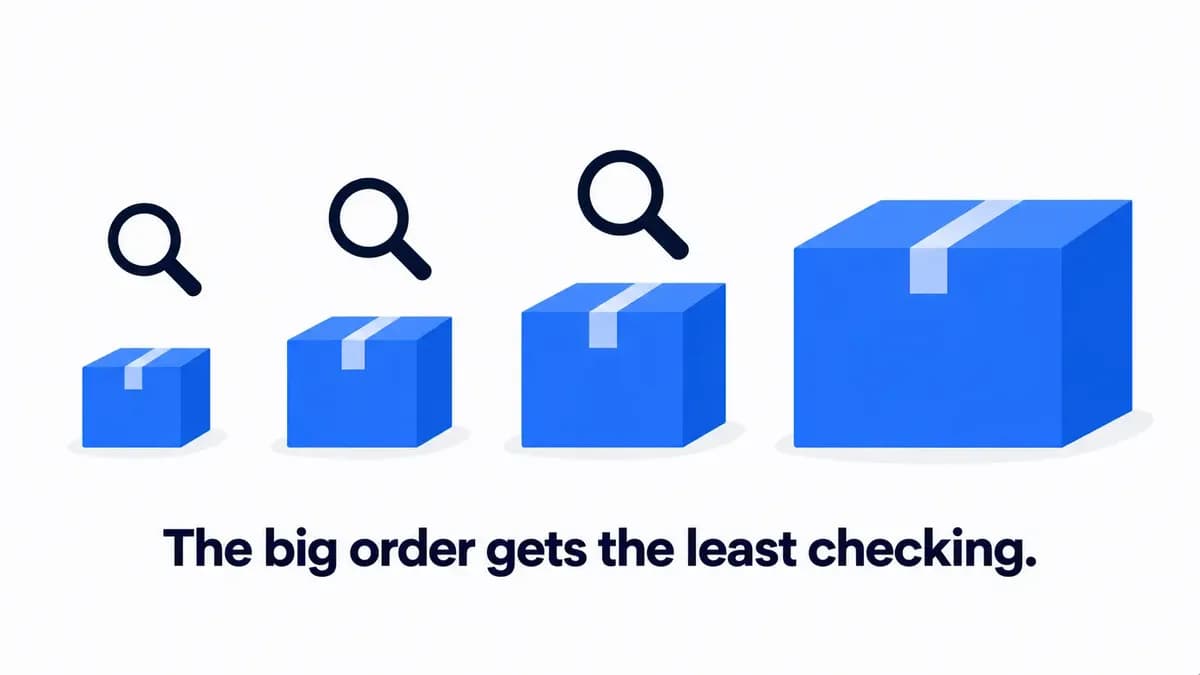
This is the point where most resellers stop checking, because the supplier has already done well. But a big order is a different risk. There's more money on the table, so you're a better target. One bad batch can get a listing pulled. And a supplier who can ship 50 units may not be able to ship 2000.
The good news is that electronics gives you a few simple ways to check that other categories don't. Here are five, in the order to run them.
Why Small Orders Don't Verify a Large One
A small order proves one thing: the wholesaler can ship a few sealed units of something they already had on the shelf. A large order asks something different. Can they get two 2000 of these from the same source, at the same quality? And will the paperwork hold up if a brand files a complaint on a unit you sold? Nothing you checked at the start answers either question.
There's an uncomfortable side to this too. When someone is running a scheme, the small clean orders are how they build the trust that pays off on the big one. Our post on wholesale supplier scams covers how those scam works. This post is about what to do right before you scale.
Check 1: Ask for the Batch Source and Serial Range
This check only works in electronics, so start with it.
Almost every electronic product has a serial number, and the brand can trace that number back to where the unit was sold. So ask your wholesaler for one thing: a recent invoice for this same model, with the customer details blacked out, that shows the serial or batch range.
Be realistic about what this gives you. You can't look up those serials yourself. Only the brand can. But a wholesaler who can show you a serial range is one who tracks their batches, knows where they bought them, and has nothing to hide. One who can't, or won't, has told you something too.
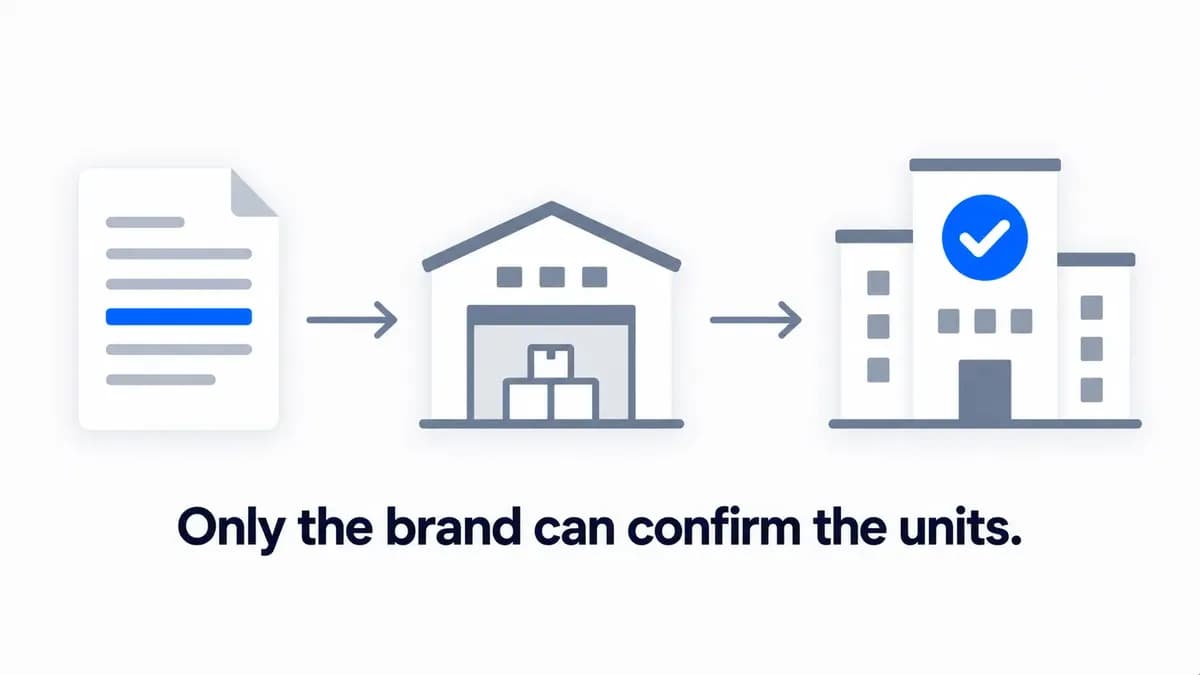
There are two things you can check on your own. First, take a unit from a previous order, one you plan to keep, and register it on the brand's warranty site. Registering ties that serial to you, so don't use one you'll resell. If it comes back as the wrong region, already registered, or not found, stop. Second, ask the wholesaler plainly whether your big order comes from the same source as the samples did. Volume often comes from somewhere else.
There's also something new to look for. On Amazon, the Transparency program now covers more than 90,000 brands and over 2.7 billion verified units. Enrolled brands put a unique code on each unit, Amazon checks it before the unit ships to a customer, and units without a valid code can be blocked. If the brand you're buying is enrolled, pick up one of your earlier units and look for the code, then ask the wholesaler whether the big batch carries it. A batch that doesn't may never reach a buyer, and you'd be paying for stock you can't sell.
Check 2: Match the Model Number and Condition to the US Listing
Electronics has a problem most categories don't. The same product exists in several versions for different countries, and in a listing, they all look the same.
Pull the exact part number from the wholesaler's quote and compare it to the brand's US product page. Check the suffix at the end of the model number, the plug type, the voltage, and the warranty region. A unit built for another market can arrive with the wrong plug and no US warranty, and when a customer calls, the brand may say it isn't theirs.
Then check conditions. Ask what the seal and the box look like and compare them to a retail unit of the same model. Ask whether the accessories are complete. A wholesaler who calls something new when it isn't has told you how they'll describe everything else. If you're not sure what a real distributor looks like versus a middleman, this explanation of what an authorized distributor is is the place to start.
Check 3: Ask the Authorization Question, Then Ask the Brand
You should try this question: "If I ask the brand whether you're authorized to sell this, what will they tell me?"
A real distributor answers in one sentence and will often give you a contact. Anyone else hesitates, changes the subject, or tells you authorization doesn't matter. Whatever they say, go and ask the brand anyway. Most brands have a channel or partner team, and confirming a distributor is a normal question for them.
Check 4: Confirm the Invoice Holds Up at the New Quantity
Take the invoice from your last order and picture it at the new quantity. It needs the wholesaler's legal business name and address, matching their registration. It needs to be itemized by model and quantity. And it needs your business name on it. That's the document you'll hand over if a brand complaint lands on a unit from this batch, and a complaint on a large batch is the kind that gets a listing pulled.
So ask for a sample invoice at the full quantity before you pay, and read it the way a reviewer would. What a valid wholesale invoice needs is covered in detail elsewhere; don't guess at it.
Check 5: The Bank-Detail Rule (Call, Don't Reply)
This check isn't about a bad wholesaler. It's about someone pretending to be a good one.
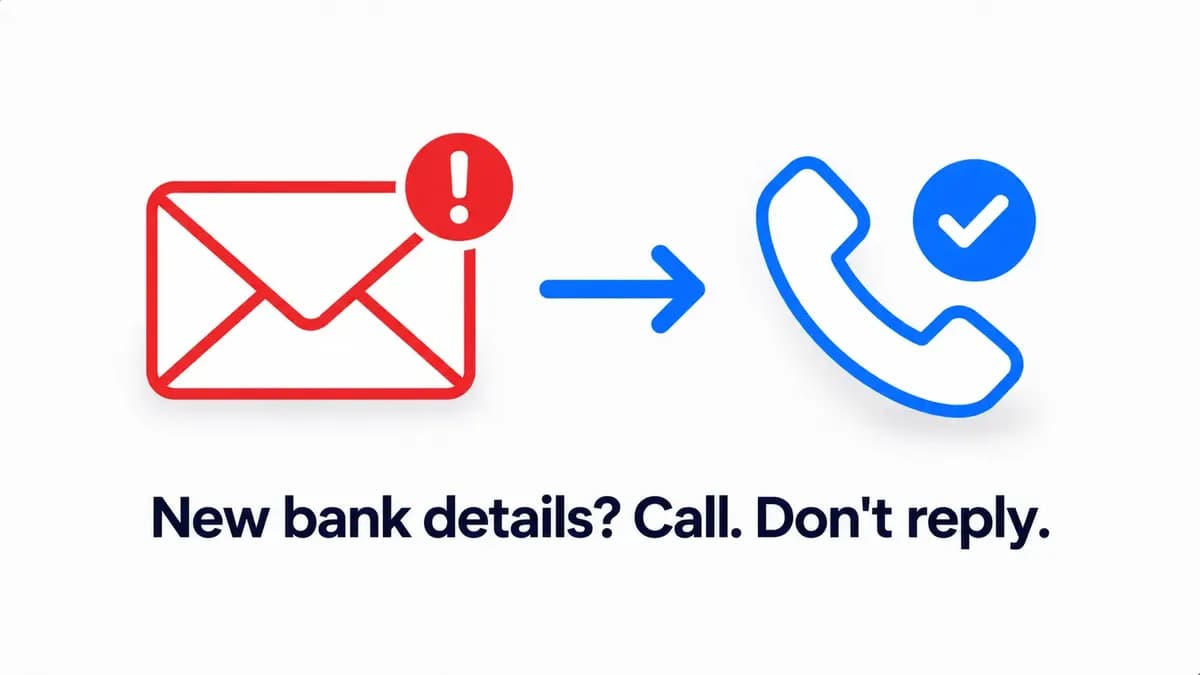
The FBI's latest annual report put business email compromise losses at around $3 billion for 2025. It usually works like this. Someone gets into the email thread between you and your supplier, waits, and then sends a polite note saying the bank details have changed. The small orders weren't worth the effort. The large one is.
So make this a rule and don't break it. If payment details change in any way, call the wholesaler on a number you already had, not one from the email, and confirm by voice. Then pay the large order the same way you paid the small ones. If they ask you to switch methods for the big order, slow down.
Split the Large Order in Two
Before you commit, ask two plain questions. How many of these do you hold right now, and how long will it take to fill my full quantity? A wholesaler who shipped 50 from the shelf and now quotes 30 days for two thousand is buying them from someone else. In electronics, that's normal. What matters is whether they say so, and whether the new source passes Check 1.
Then split the order, with the first half on its own invoice. When it lands, log the serials you received against that invoice, send a few units through, and watch for complaints. Release the second half only once the first has cleared inbound and sold without trouble. You give up a little on freight, and you get back the right to stop halfway with your money still in your account. If you want to test fill rates and shipping accuracy more formally, here's how to test a supplier's reliability before a big order goes deeper.
Compare Their Cost Against Other Distributors
This one takes a minute. Search the product and look at the cost and stock from every verified distributor in our network carrying it. If your wholesaler's cost is far under everyone else's on a brand that enforces MAP, that isn't a bargain you found. It's a sign about where the units came from. Our guide to US electronics distributors explains how the tiers in this category normally price. You can search the product free and see where their number sits before you send the big order.
When The Product Isn't There
If the search comes back empty, there's still a way forward. Submit a request and our team finds a verified distributor who carries the product. Request a Supplier is free on every plan, and you get an answer within 30 days either way.
The Samples Verified The Samples
A few good small orders show that your wholesaler can ship. They don't show that the big order will be real, from the right source, with paperwork that holds up. Those are the things that can cost you your account.
The five checks above cover them. Ask for the serial range. Match the model to the US listing. Ask the brand. Read the invoice at full size. Call before you pay. Do that, and you'll know whether to send the whole order, split it, or walk away, before any money leaves your account.
If you have a supplier you already trust and have never checked this way, start with them. It takes an afternoon. And if you're about to place a first order with someone new, this guide to verifying a supplier before you pay covers that side.
Frequently asked questions
01What are the red flags before a large order with an electronics wholesaler?
02How do I verify an authorized reseller of electronics?
The B2B SupplierHub Team
Wholesale & sourcing
Stop hunting suppliers by hand. Type a UPC instead.
B2B Supplier Hub shows the suppliers in our network carrying a product on one page: wholesale cost, stock, and retail price side by side. Free to search, no card required.